
Strategy May 05, 2026
Q&A: Shifting Sales From Transactional to Outcome-Based
Sales Consultant Jamie Lorenty shares tips to help promo salespeople shift their mindset and focus on solutions, rather than simply pushing products.
Key Takeaways
• Jamie Lorenty began selling as a child, learning early that confidence comes from seeing everyone as human – a belief that carried her into a 20+ year career spanning sales, leadership, training and consulting.
• Lorenty says intentional, value-driven conversations build stronger relationships and better outcomes.
• She emphasizes belief in your solution, time blocking for high-impact work, a growth mindset, clear next steps and consistent systems to maintain momentum.
Jamie Lorenty got into sales early. As a seven-year-old, she would gather golf balls that had been hit into her yard and sell them back to golfers.
“I can still remember standing there with complete confidence, asking 50 cents a ball, not caring if they said it was theirs because their name was on it,” she says.
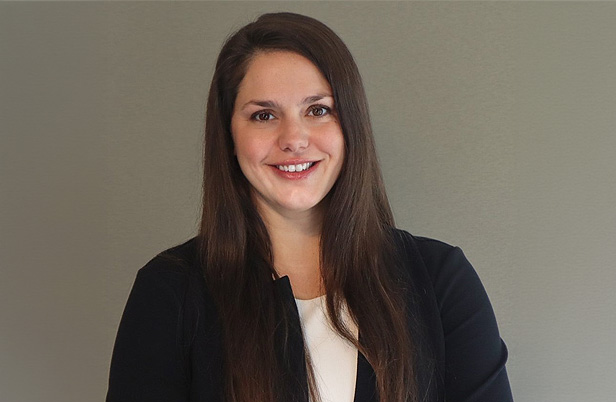
Jamie Lorenty, Lorenty Consulting
That confidence, according to Lorenty, came from the story she told herself: We’re all human. It was a mindset that gave her the courage to approach people without feeling intimidated.
Lorenty entered sales professionally at 18, and over the last two decades, she’s built her career across sales, leadership, training and consulting – including several years in the promotional products industry. She currently runs Lorenty Consulting.
In this Q&A, she shares tips for building an outcomes-based, disciplined sales strategy.
Q: What are some of the biggest mistakes you see salespeople making?
A: Staying too reactive and transactional throughout the sales process. It can show up in different ways, such as reacting to what the client asks for without digging into what’s really driving need, responding only to the immediate request or failing to follow up with intention.
At the core, many salespeople are too focused on the product instead of the outcome. They’re not slowing down enough to understand the client’s goals, priorities, process or what success really looks like from the client’s point of view.
Transactional behavior often shows up when the focus is simply on getting the next order instead of adding value and strengthening the relationship. Clients can feel the difference. They can feel when someone’s just trying to process a transaction versus genuinely trying to help them achieve a better outcome.
Q: How can salespeople change their mindset to shift toward intentional, outcome-based conversations instead?
A: It starts with belief. If a salesperson doesn’t truly believe in the value of branded merchandise and what it can accomplish when used well, it’s very difficult to lead intentional, outcome-based conversations with confidence. If you don’t believe in the solution you provide, why should the client? And if the interaction is purely transactional, what’s keeping them from simply going online and placing an order without the human connection?
That shift starts with understanding the real value you bring and the outcomes you can help create.
Q: What are some time management tips salespeople can use to ensure their days are productive and well-structured?
A: Time blocking is extremely important. If you don’t create intentional space for the work that matters most, the day will quickly get consumed by emails, interruptions and reactive tasks. Salespeople need to block time for outreach, pipeline movement and other growth-driving activity, and they need to protect that time with discipline.
It’s also important to take an honest look at where your time is really going. A simple “continue, stop, start” exercise can help salespeople assess what’s working, what needs to change and where time may be getting drained. Not every client or prospect deserves the same amount of attention, so part of managing time well is understanding where there’s real opportunity for growth and whether your energy is being invested in the right places. Then tie those findings back to a SMART goal framework and monitor progress over time.
Q: Why is the right mindset so important for finding success in sales?
A: Everything starts with mindset. The way you think shapes the way you feel, the way you act and ultimately the results you create. Your thoughts can either build you up or break you down, and in sales, that matters because this profession constantly tests how you respond to pressure, rejection, uncertainty and growth.
That’s why a growth mindset is so important. A fixed mindset tends to interpret challenges as proof of limitation. It can keep people stuck in fear, defensiveness, perfectionism and self-protection. A growth mindset allows people to see setbacks as feedback, challenges as opportunities to learn and discomfort as part of the growth process.
Q: Can you share a few tips on how salespeople can maintain momentum?
A: One of the most important things salespeople can do is end with clear next steps and expectations. Make sure both sides know what’s happening next, who owns it and by when. Verbalize it, confirm it and then do what you say you’re going to do. A lot of momentum is lost simply because there’s no clarity or follow-through.
A lot of stalled conversations can be traced back to the beginning of the sales process. If salespeople have done their due diligence early, they can be much more intentional in how they re-engage and move the opportunity forward later. What happens upstream often impacts momentum downstream.
And finally, salespeople need a system. You can’t rely on memory to manage every conversation, detail and follow-up. Whether it’s a CRM or another structured process, having a consistent system is critical to keeping opportunities moving and making sure momentum doesn’t get lost.