
Strategy October 27, 2026
ASI Power Summit 2026: The Science of Cognitive Fitness
Neurophysiologist and Cognitive Performance Coach Louisa Nicola shared insights on cognitive fitness and how everyone can take better care of their brains.
Key Takeaways
• At the ASI Power Summit, Neurophysiologist Louisa Nicola emphasized that the brain can change and adapt throughout life.
• Proactive lifestyle choices help preserve cognitive function and reduce the risk of decline.
• Regular physical activity, adequate sleep, stress management, limited alcohol consumption and mentally stimulating activities can help strengthen brain health.
Everyone should be more conscious of their brain.
That was the message from Louisa Nicola, Ph.D., a neurophysiologist and cognitive performance coach, in her keynote address at the ASI Power Summit in San Diego on Monday, Oct. 26.
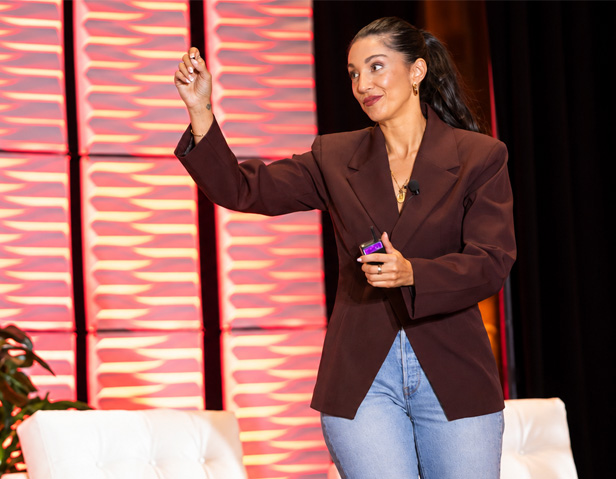
Louisa Nicola, Ph.D., was the first keynote speaker at the ASI Power Summit in San Diego on Oct. 26.
Nicola, founder of consultancy Neuro Athletics, specializes in cognitive longevity and fitness, with an emphasis on preventing brain diseases such as Alzheimer’s.
“Your brain is not fixed – it can change and adapt,” she said. “It’s important to remember that your genes are not your destiny; hormones matter and exercise is medicine.”
Nicola shared a moment when, as a researcher, she saw a human brain exposed. “That person’s entire being sits right there, made up of 87 billion neurons,” she said. “Every personality trait, every thought and decision they’ve made, down to the spouse they’ve chosen, is housed right there.”
ASI’s Michele Bell speaks with Nicola following her keynote address.
As powerful as the brain is, it’s also delicate and requires care. Over time, the connections in the brain start to die off as use decreases. As people approach middle age and older, they lose their cognitive abilities and risk developing Alzheimer’s, which Nicola called “a disease of a neglected brain” and, because of hormone differences, affects more women than men.
Fortunately, people can take steps to protect their brain and increase their cognitive fitness despite age – including sleeping at least six hours each night, limiting alcohol intake, exercising, and controlling stress and negative thoughts. She also lamented the increase in use of AI for daily tasks combined with the decrease of complex reading among Americans, which deepens empathy and strengthens neural networks – in fact, “brain rot,” she said, was Oxford University Press’ 2024 Word of the Year because of the prevalence of doom scrolling and overconsumption of trivial online content.
“Your brain is fully developed at 25,” she said. “After that, you’re not saved by your age anymore. The brain is the most vascular-rich organ in the body, and you build neuroplasticity for good or bad.”
Nicola especially emphasized the importance of exercise to stave off brain deterioration – only 20% of Americans regularly work out, even just moderate aerobics three times a week. Meanwhile, said Nicola, studies have shown that a year of walking just 40 minutes a day, especially in nature, can save a person one to two years in a memory center.
“We have to work on our brains,” she said. “Alzheimer’s is the only disease that robs people of who they are.”