Commentary March 04, 2026
At NYC’s Lunar New Year Parade, A Missed Opportunity for Merch
The Lunar New Year Parade in NYC on March 1 drew hundreds of people to the streets of Chinatown. Branded merch was almost nowhere to be found. That’s a problem – and an opportunity.
Key Takeaways
• Lunar New Year celebrations represent an untapped opportunity for the promo industry, despite the holiday’s built-in gifting culture and growing interest from major consumer brands releasing limited-edition merchandise.
• Authentic, culturally informed products – like Wo Hop’s sought-after Lunar New Year T-shirts – demonstrate how meaningful merch can create lasting brand connection when developed in collaboration with communities that celebrate the holiday.
Standing along Mott Street on March 1 for the 28th annual NYC Chinatown Lunar New Year Parade, the energy was impossible to ignore: lion dancers, firecracker smoke hanging in the cold air and ornate floats winding down toward the Manhattan Bridge.
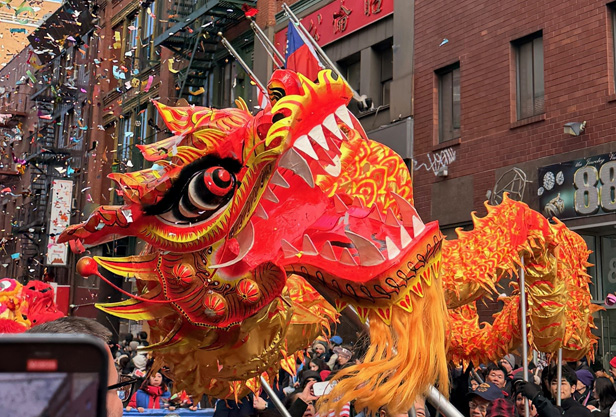
Crowds gathered on March 1 to celebrate the Lunar New Year Parade in New York City.
And yet, looking around, I was struck by how little branded merchandise was in sight. No custom tote bags, no co-branded hats, no giveaways. The typical red envelopes, silly string, handheld firecrackers and party snaps made their appearance, but that was about it.
For the promo industry, this is leaving serious money – and meaning – on the table.
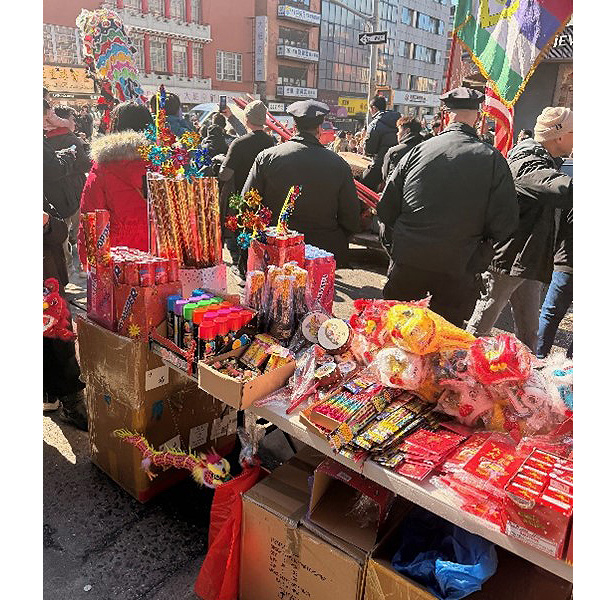
A table full of red envelopes, firecrackers, stuffed dragons and silly string available for purchase at the Lunar New Year Festival.
Lunar New Year (LNY) is observed across Chinese, Vietnamese, Korean and other Asian communities worldwide – a 15-day celebration marking the lunisolar new year with family reunions, ceremonial foods and red envelopes (hóngbāo) filled with gifts. This year’s holiday, the Year of the Fire Horse, is a designation that comes around only once every 60 years. The horse in Chinese astrology symbolizes energy, forward motion and boldness – themes that practically write a promo brief on their own.
Many consumer brands have figured this out. Stanley 1913 sold out of a limited-edition Quencher tumbler featuring a red stallion for the U.S. market. Lush Cosmetics, now in its fourth year of dedicated LNY collections, launched limited-edition bath bombs and body care items designed around culturally significant ingredients like mandarin and camphor – built with input from employees who celebrate the holiday. Marshall released a limited-edition LNY portable speaker featuring hand-applied water transfer designs. From beauty to drinkware, this is not a niche holiday marketing moment anymore.
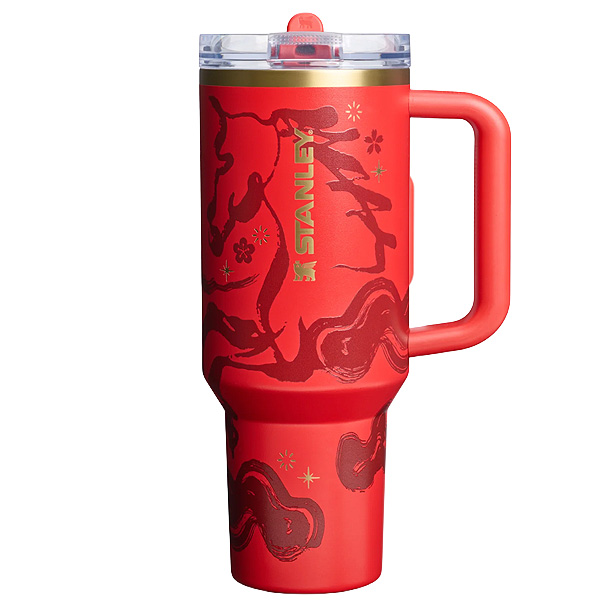
Stanley sold out of this limited-edition 40-ounce tumbler for Lunar New Year. (photo courtesy of Stanley)
Perhaps the most telling example of LNY’s merch potential comes not from a Fortune 500 company but from a basement restaurant on Mott Street. Wo Hop has been a Chinatown institution since 1938, and its silk-screened cotton T-shirt – updated for the Year of the Horse – has become a coveted item, resold on eBay, counterfeited by knockoff sellers and covered by The New York Times. People wear it as a badge of cultural belonging. That’s the power of authentic merch. It doesn’t need to be expensive but rather needs to mean something.
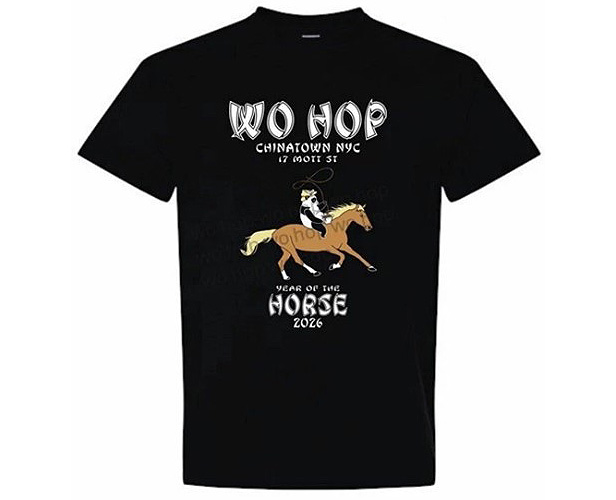
Wo Hop has been making seasonal Lunar New Year shirts since 2012. (photo courtesy of Wo Hop)
Brands that have done it well say the key is authentic collaboration – involving people with real cultural connections at every stage, from concept through completion. That’s true for a Fortune 500 campaign and equally true for a promotional product order.
The promo industry talks about relevance – right product, right moment, right audience. LNY checks every box. It’s a gifting holiday by design; red envelopes are literally the custom. A branded version – premium, well-designed, culturally considered – is not a stretch.
And yet, standing along the parade route this year, the opportunity felt largely untapped. At one of the largest LNY celebrations in the country, branded merchandise was barely visible. For an audience already primed to celebrate, gift and commemorate, the absence was palpable. Done thoughtfully, a product doesn’t just sit in a tote bag – it travels home, lives on a desk or sparks conversation.
Next year, the parade comes back to Mott Street. The lion dancers will be there. The firecracker smoke will be there. The only question is whether the promo industry shows up too.
Product Hub
Find the latest in quality products, must-know trends and fresh ideas for upcoming end-buyer campaigns.