
Product Hub August 13, 2026
How To Build Breast Cancer Awareness Using Promo
Tie campaigns to robust giveback efforts to avoid “pinkwashing” during the month of October.
Key Takeaways
• ESP searches for breast cancer-related promo spike in the third quarter as distributors prepare campaigns for Breast Cancer Awareness Month.
• Distributors can help clients avoid pinkwashing by pairing awareness products with meaningful donations, health initiatives or support for patients and families.
• Interactive activations, such as customized totes or bucket hats, can make breast cancer awareness campaigns more personal and engaging.
For the promo industry, thinking pink begins well before October.
Interest in pink promo products spikes in the third quarter of the year, as distributors prepare client campaigns centered around Breast Cancer Awareness Month.

In 2025, ESP searches including the phrase “breast cancer” went up by 624% between Q2 and Q3. That marked an increase from 2024, where “breast cancer” searches grew by 520% between Q2 and Q3.
ESP searches for “pink” are on the rise this time of year as well. In 2024, searches including the word “pink” increased by 112% between Q2 and Q3, though in 2025 that percentage slightly dipped to an 81% increase over the same timeframe.
Breast cancer affects a broad swath of the population: Around one in eight women in the United States will develop the disease, according to the American Cancer Society. Additionally, around 2 million women across the world are diagnosed each year.
Around 1 in 8 women
in the United States will develop breast cancer. (American Cancer Society)
Breast Cancer Awareness Month began in 1985 as a week-long campaign by the American Cancer Society in partnership with British company Imperial Chemical Industries to educate women about screening and routine mammograms.
Eventually, the week grew into a month, and the increased awareness and scientific research helped breast cancer death rates decline by 44% between 1989 and 2023, according to the American Cancer Society.
The classic pink ribbon made its debut in 1992, a collaboration between SELF magazine and Estee Lauder. The ribbon was distributed alongside the magazine’s second annual breast cancer awareness issue.
Promotional products can play a key role in helping to raise awareness of the disease and support prevention efforts. People are increasingly willing to support social causes with a lapel pin or other visible marker, according to Nathan Cordier, sales director at Sprinters Advertising (asi/88891). He attributes it to the ubiquity of social media, which has normalized people sharing personal struggles with their networks.
That said, it’s important to go beyond merely slapping a pink ribbon on an everyday product in October and calling it a day. As Breast Cancer Awareness Month has grown in popularity, so too has “pinkwashing” – a term for when companies incorporate pink shades into their marketing, without making a substantive effort to help the cause or even using pink marketing to mask harmful business practices.
There have been a number of high-profile examples of pinkwashing over the years. Back in 2014, for example, the Susan G. Komen Foundation partnered with oil and fracking company Baker Hughes Inc., which donated $100,000 to the foundation and produced 1,000 pink drill bits. The irony: Some scientists have linked chemicals used in fracking to cancer. A few years before that controversy, KFC drew fire for selling pink-hued buckets of fried chicken, along with a 50-cent donation to Susan G. Komen for each bucket sold. Critics pointed out the contradiction of using unhealthy fast foods to raise funds for breast cancer, when obesity is a known risk factor for the disease.
More recently, a study in the journal Addictive Behaviors found that pinkwashed beer ads led consumers to perceive the products as more healthful and gave them a favorable attitude toward the brand.
Distributors can help clients avoid pinkwashing criticisms by tying breast cancer awareness-related promo to robust giveback programs, donating a portion of profits during the month of October – or beyond – to a recognized nonprofit dedicated to cancer research.
Or consider creating giveback programs that center around ancillary care, helping to support women undergoing cancer treatment and their families. That’s a trend Cordier has been seeing more frequently.
Another way to avoid pinkwashing is to encourage internal awareness for testing, says Kimble Bosworth, owner of On Promos, part of Counselor Top 40 distributor Proforma (asi/300094). Perhaps pink promo could be an incentive for participating in a company-sponsored health fair or mobile mammography clinic.
“It lets employees know that their employers care,” Bosworth says. “That month is more than just lip service.”
Companies can also tie into another trend: onsite activations. Bosworth has noticed an uptick in breast cancer awareness-related corporate events featuring customization. Think a bucket hat or tote bag decorating station where employees can personalize the product, perhaps with a dedication to an affected loved one.
Here are a few products to consider for promo campaigns centered around breast cancer awareness.
A Classic Statement Piece

Lapel pin (LP-SAP01) from Full Designs (asi/55516)
A Trend That Pops
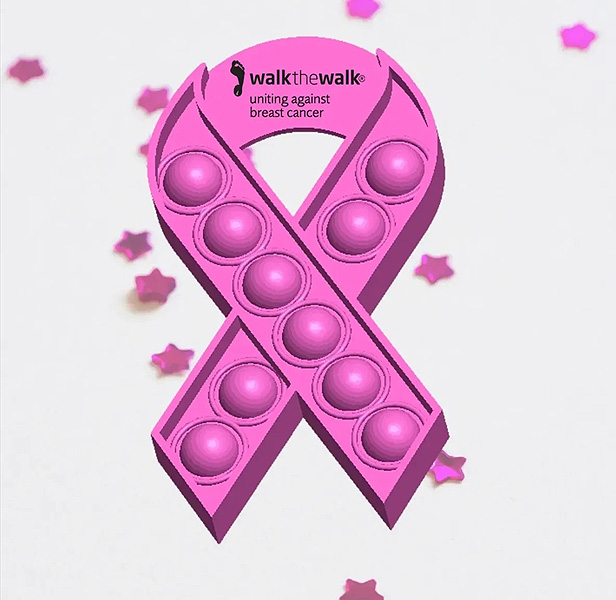
Ribbon-shaped pop fidget (BCA6031) from Sprinters Advertising (asi/88891)
Keep It Fresh
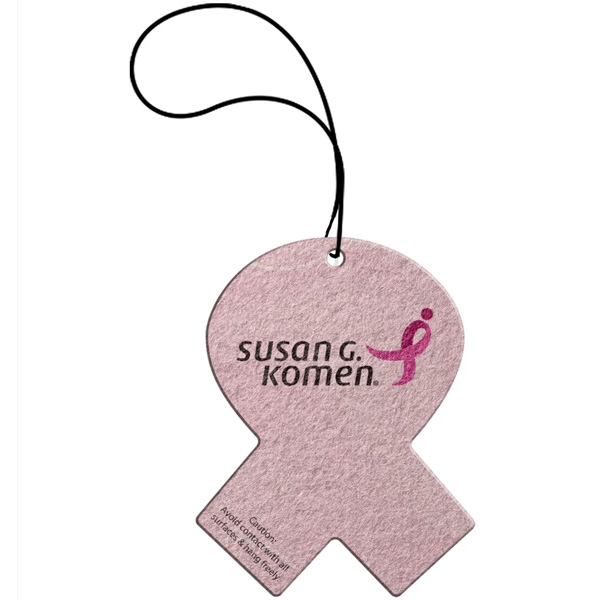
Car air freshener (AF112) from Tekweld (asi/90807)
In the Bag
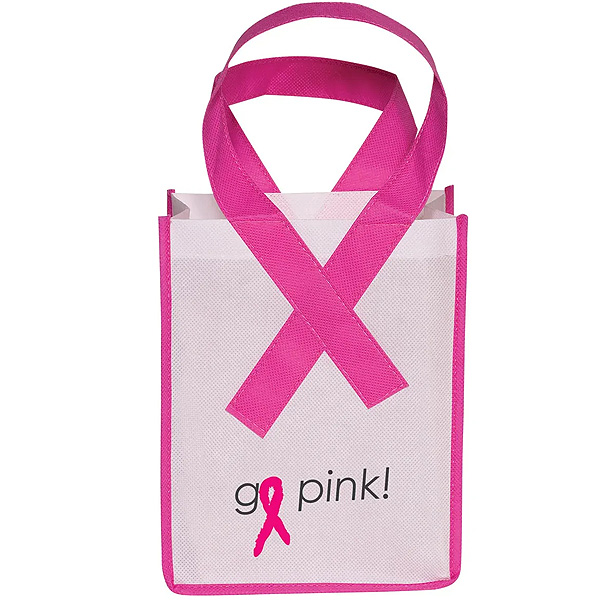
Small tote bag (LT-3783) from Prime Line (asi/79530)

Product Hub
Find the latest in quality products, must-know trends and fresh ideas for upcoming end-buyer campaigns.