Commentary September 25, 2026
PRINTING United Expo 2026: Promo Industry Trends & Emerging Product Categories
Geographic and generational data shows what the modern end-user wants in a branded item.

Key Takeaways
• T-shirts remain promo’s top-selling category, while premium products and high perceived value are increasingly important to buyers.
• Product preferences vary by geography and generation, making the end-user’s lifestyle more important than broad trends.
• E-commerce continues to reshape promo distribution, but successful sellers still need to focus on solving customer needs rather than simply selling products.
A printer who expands into promotional products has a lot to consider. But the most important thing is that they’re not just selling products. They’re selling solutions.
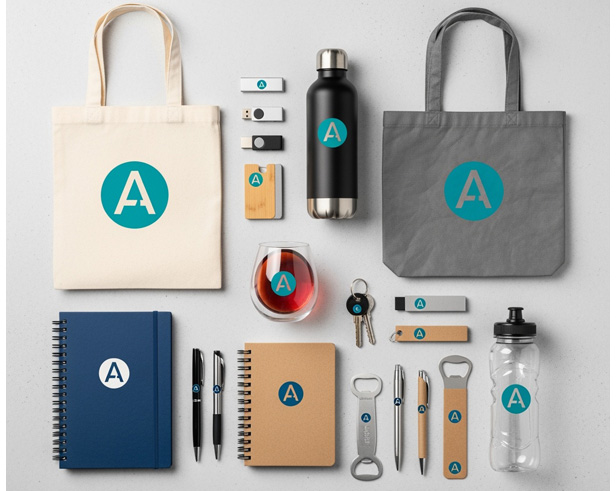
That will never change, even as product trends emerge and others fall by the wayside, and buying habits from generation to generation, or place to place. When a printer considers how promo sales will help end-users, they’re already most of the way there. Everything else is just adjusting for minor details. Those were some of the main takeaways from the session I taught, titled “Promo Industry Trends and Emerging Product Categories,” on Thursday, Sept. 25, at PRINTING United Expo at the Las Vegas Convention Center.
Which Products Are Driving Sales
According to the 2026 Counselor State of the Industry report, T-shirts accounted for 14.8% of total promotional products sales in 2025, followed by polos and drinkware both at 9.2%. None of this should come as much of a surprise – both product categories have nearly universal appeal. Everyone needs clothing and water. That T-shirt percentage represented more than $4 billion in annual sales, and drinkware accounted for $2.5 billion.
The drinkware figure actually declined in 2025 over 2024 – the second year in a row where that happened. For someone outside the industry, it might be natural to think drinkware is on its way out, or that it’s not as viable as it once was.
Drinkware isn’t dying. But, it’s changing. Younger end-users influenced by social media trends that elevate brands like Stanley or Owala are looking for something more upscale, elevated and “premium” than just a freebie.
This idea extends across other product categories: High perceived value means an end-user is more likely to hold onto a product longer and use it more often, thus extending brand visibility.
Geography Lessons
ASI Research found that end-users in different areas of the country were after different products. In the Northeast, for example, the most popular products were drinkware, hats and bags. In the Midwest, end-users wanted outerwear and fleece, polos and T-shirts. Those in the South were after T-shirts, polos and drinkware. And end-users in the West wanted tech accessories, desk accessories, stickers and lanyards.
What this suggests is that there’s no silver bullet product, no universal item every single person wants. You have to consider the end-buyer and their lifestyle. A nice fleece jacket made from a reputable brand might thrill an end-user in Massachusetts but fall flat with one in Arizona.
Generational Differences
Just as end-users in different areas of the country have different preferences, so too do end-users of different ages. What we can say for sure is that promotional products land across the age spectrum, with ASI Research finding that 93% of millennials view promo and apparel as effective for improving brand awareness. Even 84% of Gen Z end-users say they would view an advertiser more positively after receiving brand-name promo apparel.
Similarly to how ASI mapped out which products are most popular in different regions, it also found what end-users in different age brackets wanted in their promo. People want products that complement their lifestyle, whatever that means for them at the time.
For example, ASI Research found that Gen Z end-users wanted comfortable hoodies and device-cleaning wipes. This is a generation born into native tech usage, and they’re also the ones bringing back the styles of the ’90s. Millennials, who might be venturing into home ownership and perhaps moving into higher positions in corporate life, wanted zip-up fleece jackets, USB cables, screwdrivers and sunglasses.
Gen X end-users, perhaps settling into suburban life and venturing into different hobbies, wanted YETI coolers, binoculars, pet leashes, golf balls, blankets and keychain flashlights.
Finally, baby boomer end-users were looking for baseball caps, polos, chargers, tool kits and luggage, reflective of a generation reaching retirement age, now with more time to relax, get things done around the house or travel.
What these data points show is that a distributor isn’t doing enough if they’re only selling a product just because it’s popular. Popularity is relative from person to person. A product must fit someone’s life and improve it. It must accomplish a task and serve a need – even if the need is simply to boost one’s social standing for having the “it” item.
Fashionable apparel, recognizable brands and trendy pieces influenced by retail can communicate something about the end-user and make them feel proud to carry the item. This is reflected in marketing budgets and buyers looking to spend more for elevated and luxury-looking products rather than the cheapest option.
The E-Commerce Era
One thing is for sure when it comes to reaching end-users, and that’s that e-commerce is here to stay. Customers might move their promo programs online with company stores or gifting programs where an end-user can choose their product themselves, or replenish things like uniform items.
Again, the use of e-commerce platforms is almost universal. ASI Research found that 64% of Gen Z end-users have purchased promotional products or apparel via e-commerce. That’s the lowest figure: 80% of Gen X, 79% of millennials and 70% of baby boomers all said they’ve bought promotional products via e-commerce.
At a time when products have gone digital in print, promotional items can’t “go digital,” but the way they’re sold and distributed can.
What hasn’t changed, even as trends come and go, is the fact that anyone selling promotional products, whether they’re brand new to the industry or an old pro looking to keep up with the times, needs to know their end-user. Digging into who the person receiving that item will be, and what they want from a product to fit into their lifestyle, turns an ordinary giveaway into a meaningful gift.
Don’t start with the product. Find the solution.