
Printing November 09, 2026
What You Need To Know About Paper, Ink & Other Consumables
Even if distributors aren’t doing their own print projects, it’s important to understand the available options to become a better partner for clients.
Key Takeaways
• Distributors don’t need to run the presses themselves, but understanding paper, ink, thread and other consumables helps them set expectations.
• Consumable choices can affect color, durability, texture, adhesion, washability and overall product quality.
• Strong print partnerships depend on curiosity and communication, visiting production facilities and learning from experts.
In recent years, distributors increasingly have stepped into the world of in-house printing, experimenting with equipment such as heat presses to decorate their own items. However, many still rely solely or heavily on printing partners to fulfill orders. Partnerships are built on trust, and each party must rely on the other to keep communication flowing smoothly.
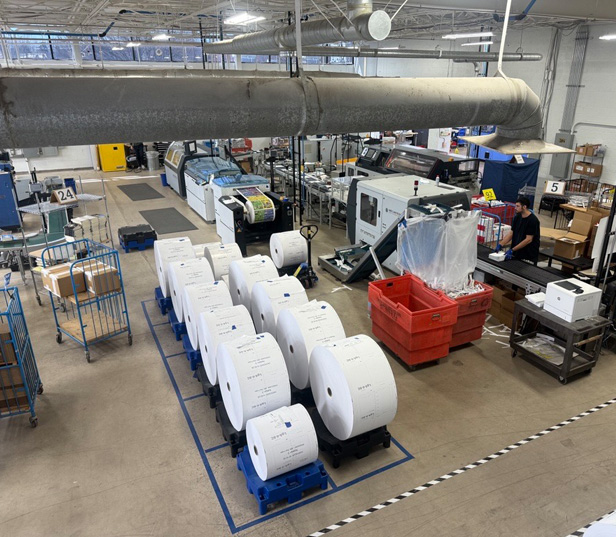
There are a variety of paper and ink types to consider when working on a print project. (photo courtesy of Ashley Roberts)
Part of smooth communication is understanding everything that goes into a successfully printed product. One area that tends to get ignored in this conversation is understanding the consumables side of the business. Knowing the different types of paper for branded mail campaigns, understanding fabric basics for promotional apparel and figuring out which ink meets the customer’s needs is crucial.
Sam Campitella, CEO of Vivid Impact (asi/352701) – a full-service marketing technology, commercial printing and visual communications company – explains that understanding consumables helps distributors make better recommendations, set realistic expectations and ensure the final products meet the client’s needs.
Choices in Consumables
It might feel too technical to take on consumables education, but Campitella notes that it’s a distributor’s job to be more than an order taker. “What we promise the client has to align with what can realistically and successfully be produced,” he says. “We are problem-solvers and brand partners. … The consumables being used play a major role in the overall quality, appearance, durability and value of the finished product.”
“What we promise the client has to align with what can realistically and successfully be produced. We are problem-solvers and brand partners.”Sam Campitella, Vivid Impact (asi/352701)
To fully understand how consumables impact the final product, Campitella breaks it down into a few different buckets.
On the commercial side, there are several areas to examine. “In commercial printing, the type and quality of paper, ink and coatings can influence how colors reproduce, how images look, how the piece feels and how well the finished product holds up over time,” he explains. “For example, the same design can look completely different depending on the paper stock or finish selected. Using the right materials is essential to achieving the desired look and maintaining consistency throughout a print run.”
In looking at paper, for instance, there are an almost overwhelming varieties that exist, including but not limited to:
- Gloss, silk and matte coated
- Recycled
- Cotton
- Linen textured
- Synthetic
- Other specialty types
And that doesn’t even touch the different weights, sizes and even shades. Paper is just a small part of the consumables side of commercial printing. There are also different ink types, which include different inks for offset printing, water-based inks and even UV-curable inks.
Then, there’s the apparel decorating side. “The quality of thread, ink, transfers and other materials can affect color matching, detail, texture, washability and the longevity of the decoration,” Campitella says. “Choosing the wrong materials can lead to fading, cracking, poor adhesion or an overall finished product that doesn’t meet the client’s expectations.”
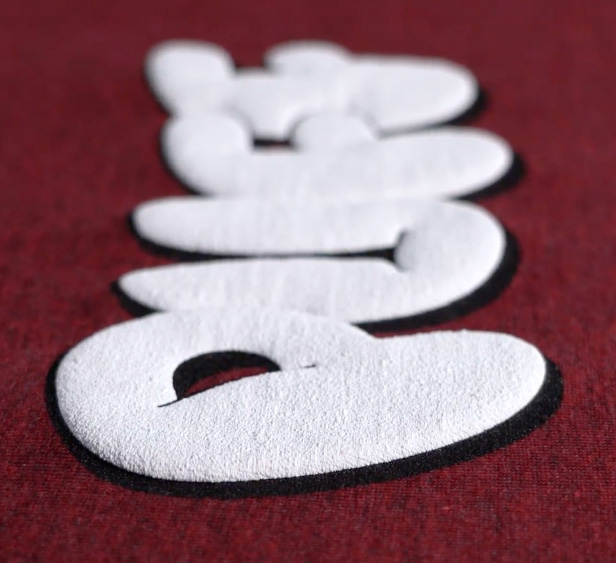
Puff ink is considered a specialty ink in screen printing and comes with its own set of printing instructions and capabilities. (photo courtesy of Ryonet)
Just as with commercial printing, the span of thread and ink seems almost endless. For instance, in screen printing you can choose everything from traditional plastisol to water based, puff and more. Embroidery thread might seem basic, but did you know options span cotton, polyester, recycled, metallic and beyond?
With so many varieties available, it’s easy for distributors to get overwhelmed. Campitella provides a few things to start with when it comes to basic research, education and evaluation:
- Printing capabilities and limitations
- Adhesion and compatibility
- Durability and performance
- Paper and substrate properties
- Ink, thread and other consumables
Stay Curious When It Comes to Consumables
While distributors should have a good grasp on consumables and their properties, relying on printing partners ultimately is what makes the relationship, and the final products, successful. That means you don’t have to know everything – your partner is there to help.
Campitella lists a few great ways to keep communication with your print partner clear and strong when it comes to understanding consumables:
- Ask questions and stay curious.
- Visit production facilities.
- Take advantage of training opportunities.
- Build relationships with production experts.
- Try to create a partnership, rather than just being transactional and placing an order.
“Ultimately, we don’t have to be the ones operating the presses or decorating equipment, but we do need to understand what happens behind the scenes,” he says.

Print & Promo Marketing is your source for news, commentary and strategy for the promotional products, commercial print and product decoration industries.