News June 19, 2026
Sustainable Backpack Brand Day Owl Is Closing
Day Owl’s CEO attributes the closure to uncertainties stemming from tariffs.
Key Takeaways
• Day Owl, formerly an ASI-listed supplier, is shutting down, citing tariff-driven uncertainty that made pricing and planning increasingly difficult.
• Founded on a circular-economy model, Day Owl built its brand around recycled materials, repairs and ethical sourcing.
Day Owl, previously an ASI-listed supplier, has announced that it’s winding down operations this month, attributing the closure to uncertainties and volatility from tariffs.
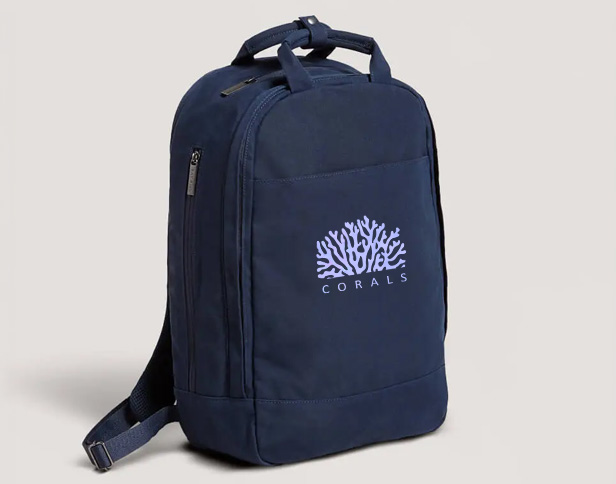
Day Owl, formerly an ASI-listed supplier, is shuttering its sustainable bag business, citing volatility caused by tariffs.
The sustainable bag brand has had a tumultuous ride, launching in March 2020, the spring after a successful crowdfunding campaign sold more than $600,000 in bags over six weeks, according to a message sent to customers by CEO Ian Rosenberger.
Headquartered in Pittsburgh, PA, Day Owl was on a mission to build the “first completely circular bag company,” making products from recycled materials and offering repairs and refurbishment to keep products in circulation for the long term. The brand was also committed to improving working conditions for people around the globe collecting recyclables, partnering with nonprofits like WORK.
COVID-19 hit the week after Day Owl launched, and the company pivoted to make PPE, as so many manufacturers did to stay afloat at the time. In 2022, Rosenberger said the brand became a promotional products supplier and “invested in selling to companies instead of just individuals.”
But, he added, Day Owl has not been able to withstand the market volatility caused by tariffs. “Nobody wants to purchase a product if they don’t know what it’s going to cost when it arrives,” Rosenberger wrote to customers. “We made it a year, but we couldn’t keep absorbing the body shots. We’ve reached the end.”
Rosenberger ended his message on a positive note, saying that he still believes there’s a better way to make things and “that business can be the single largest force for good on a hotter, more crowded, more chaotic planet.”
Day Owl is currently selling its inventory at 40% off until it’s depleted. “We’re using the money to pay down our debt and give the team as much of a cushion as possible,” Rosenberger said.
It’s been a dicey time for sustainable and ethical fashion and accessories. Allbirds, once known for its eco-friendly wool sneakers, made an unexpected pivot to AI, recently changing its name to Smartbird and naming former Amazon executive Nadia Carlsten as CEO. Everlane, once known for pioneering radical transparency in fashion, was recently sold to fast-fashion giant Shein for $100 million, prompting a round of headlines speculating whether the “era of millennial optimism” in business was over.